
You walk into a house with fresh paint, new cabinets, and lighting that makes every room feel inviting. It is easy to assume the electrical work received the same attention. Sometimes it did. Sometimes the renovation stopped at the finishes.
Whether you are shopping in Covina, West Covina, Glendora, or another Southern California community, the useful question is: What has actually been updated, and will the electrical system support how you plan to live?
An older home does not automatically need a complete rewire. The wiring method, equipment condition, past alterations, and your future plans matter more than a construction date alone. Here are six things worth understanding before you close.
1. A remodeled home may still have older wiring
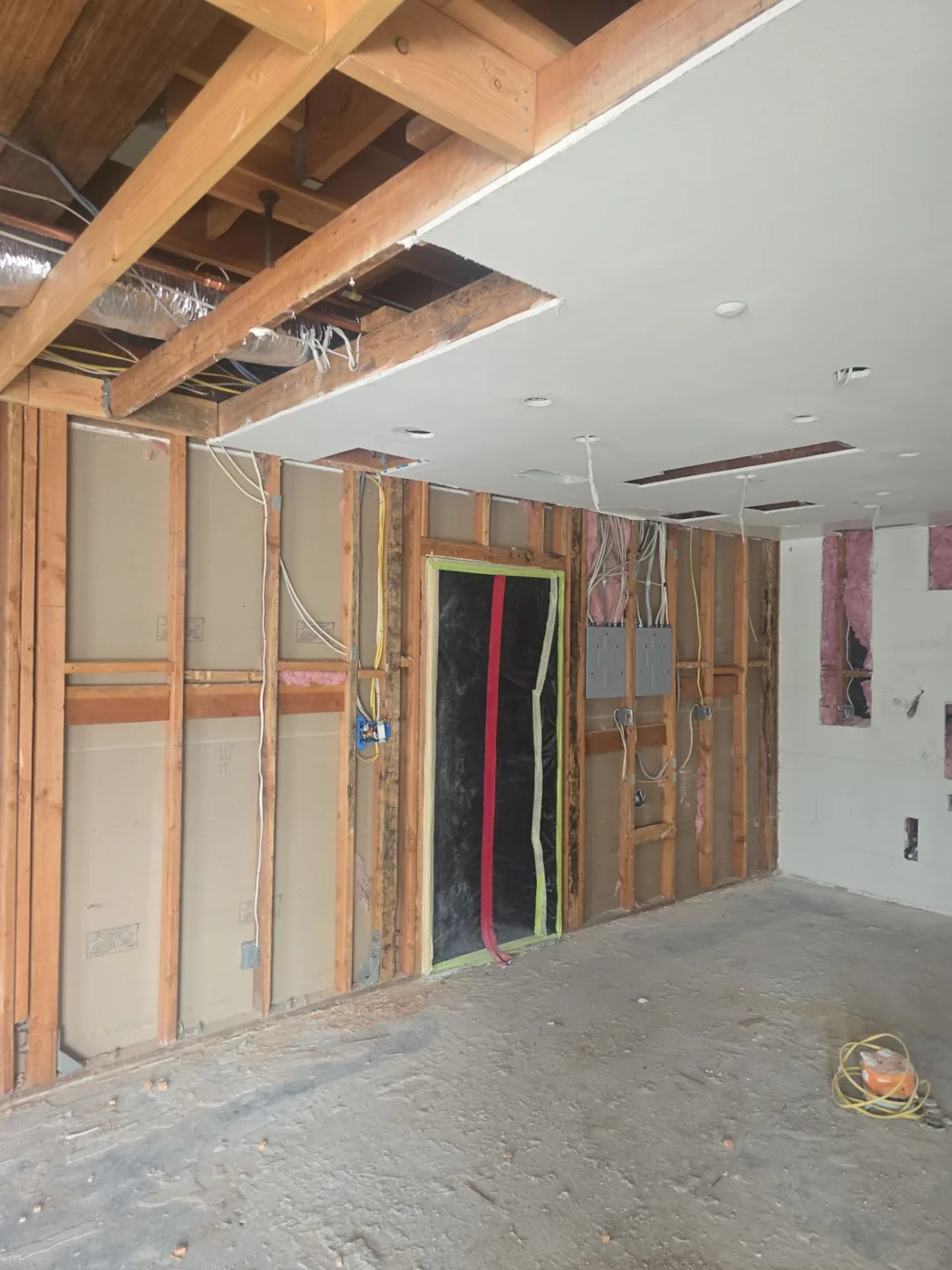
A beautiful kitchen can have new fixtures and receptacle faces while some circuits behind the walls remain unchanged. “Updated electrical” might mean a new panel, a few new circuits, or a much larger scope. Those are very different improvements.
Ask the seller what was replaced, when, and by whom. Request available invoices, permits, and inspection records. Find out whether the work included the whole home or only the remodeled rooms.
A newer panel does not establish that all branch wiring was replaced. Likewise, older wiring is not automatically defective. A focused evaluation can help identify accessible signs of deterioration, unsuitable alterations, or work that deserves further investigation. That gives you a basis for a repair plan instead of guessing from the finishes.
2. Your future plans may change the electrical requirements
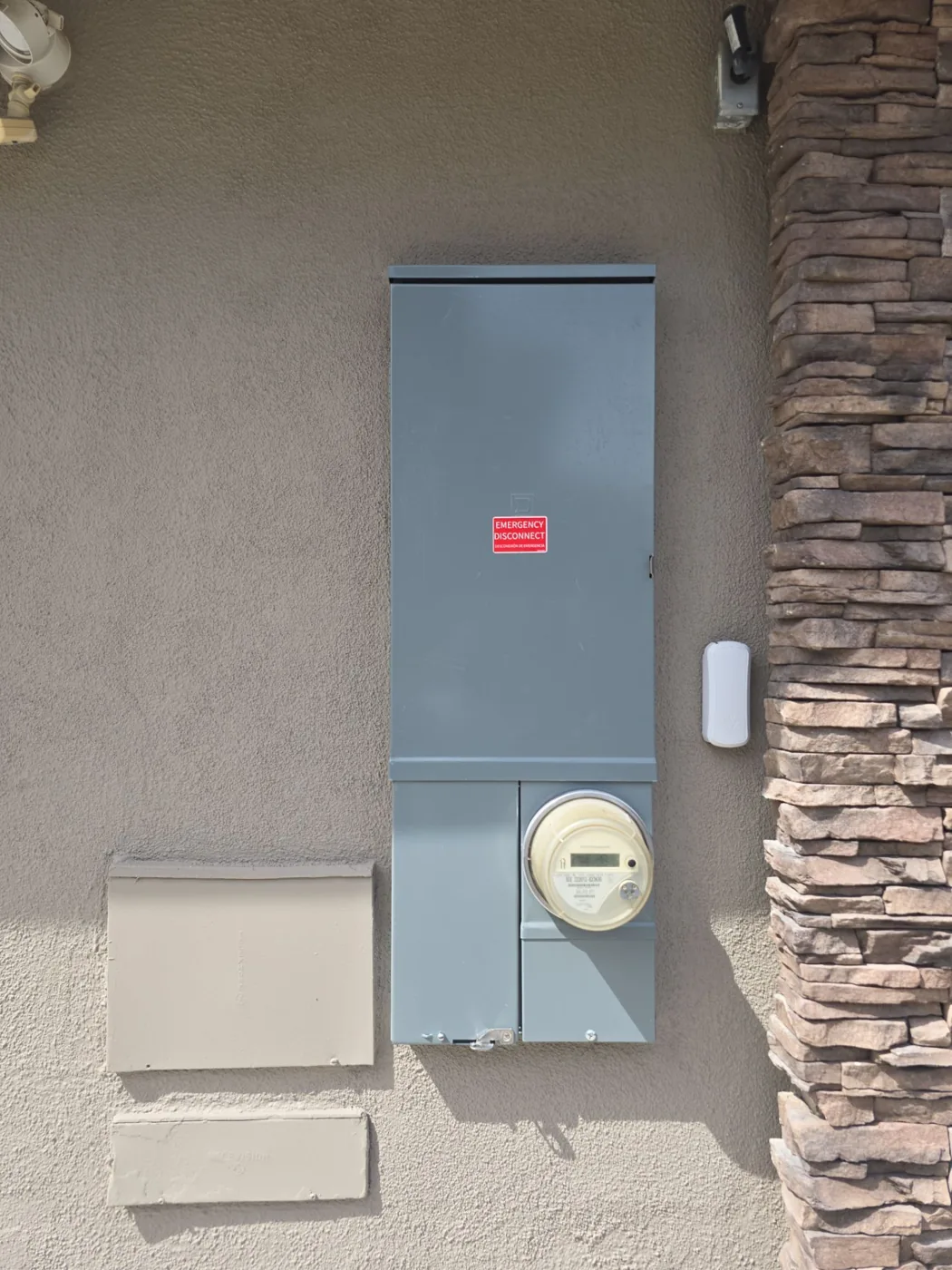
The house may work well for the seller but need a different plan for your EV charger, induction cooktop, heat pump, or workshop. Write down those plans before choosing equipment or assuming the existing service will accommodate everything.
A professional load calculation evaluates existing and proposed electrical demands under the applicable requirements. Empty breaker spaces alone do not establish spare capacity, and adding up the numbers printed on every breaker does not give you the home's calculated load.
A 200A upgrade is not automatically necessary. Depending on the findings, options may include a suitable new circuit, different equipment selections, approved load management, or a service upgrade. A subpanel can provide circuit space, but it does not create additional service capacity.
Equipment condition is a separate question. A panel can need attention even when capacity is adequate. Our panel upgrade and assessment page explains the planning process.
3. Three-prong outlets do not prove there is an equipment ground
A three-prong receptacle looks modern, but its appearance does not confirm a proper equipment grounding path. Some older circuits lack that path, even after receptacle faces have been changed.
Equipment grounding helps provide a fault-current path so protective devices can operate. A GFCI serves a different purpose: it detects an imbalance in current and interrupts power to help protect against electrical shock. GFCI protection does not create an equipment ground.
Certain replacements on existing ungrounded circuits can use GFCI protection with the required labeling, including “No Equipment Ground” and, where applicable, “GFCI Protected.” An electrician should confirm the permitted arrangement, its labeling, and suitability for the connected equipment.
Do not assume an outlet is correct because a plug fits. Ask your inspector about grounding findings and request further evaluation when the report identifies uncertainty or improper replacements.
4. Additions and garage conversions may have missing records
A converted garage or added room can be a selling point. It also raises practical questions: How was it supplied with power? Were new circuits installed? Was the work permitted and received a final inspection where required?
Ask for records and compare them with what is actually present. A permit for one project does not document every later alteration. Missing paperwork is a reason to investigate; it is not proof that every installation is unsafe.
Check with the building department that serves the property's actual address. Covina, West Covina, and unincorporated county areas have different jurisdictions. Local officials can explain record availability and requirements for proposed corrections.
Buying an older house does not, by itself, mean every existing installation must be rebuilt to today's code. The original installation, later alterations, hazards, and the scope of new work all affect what may be required.
5. Kitchens and bathrooms deserve more than a lighting check
During a showing, you notice the pendants and vanity mirror. After moving in, you notice whether the kitchen circuits support your appliances and whether outlets are conveniently located.
Have the review address kitchen appliance circuits, bathroom receptacles, GFCI protection, and the needs of any planned equipment. A receptacle without its own test and reset buttons may have protection supplied upstream; its face alone does not tell the whole story.
Today's requirements for new or altered work may differ from those in effect when the home was built. An electrician can separate observed concerns from improvements associated with your planned renovation.
If you already expect to remodel, plan appliance locations, lighting controls, receptacles, and circuits before closing walls. Our home remodel electrical services cover that coordination.
6. Insurance may bring additional questions
Ask your insurance agent early whether the property's wiring or equipment requires documentation, further inspection, or corrections. Requirements vary by insurer and property; an older home is not automatically uninsurable.
Provide accurate information and request any electrical requirements in writing. An electrician can evaluate specified concerns and document the agreed work, but only the insurer decides whether its requirements have been satisfied. For more detail, see our insurance inspection preparation article.
What to ask before buying
- What electrical work was completed, and which rooms or circuits did it include?
- Are permits, final inspection records, invoices, and panel schedules available?
- Did the home inspection identify grounding, protection, equipment, or alteration concerns?
- Were any areas inaccessible or excluded from the inspection?
- What appliances, EV charging, HVAC, or remodel work do I plan to add?
- Should a licensed electrician evaluate specific findings before my inspection deadline?
- Does my insurer need a particular report or repair documentation?
Home inspection or electrical evaluation?
A general home inspection reviews multiple systems and provides an important starting point. Its electrical scope is typically based on accessible conditions and the inspector's agreed standards; it is not an exhaustive investigation of every circuit.
A focused electrical evaluation addresses specific findings, symptoms, or planned loads. Agree on the scope beforehand, including whether testing, a load calculation, or repair recommendations are included. Neither a visual inspection nor a focused visit can guarantee that every concealed issue will be found.
Know the electrical picture before moving in
Specialized Electrical Solutions LLC is a family-owned, father-and-son C-10 electrical contracting business based in Covina. We serve Los Angeles, Orange, Riverside, and San Bernardino counties, plus parts of North San Diego County.
Request an Electrical Assessment or Estimate Online
Share your city, inspection report, and plans through our existing residential request form. We will follow up to confirm the scope and scheduling. Prefer to call? (714) 926-7942.
No problems, only solutions.