
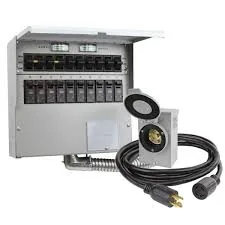
A properly selected transfer arrangement isolates backup power from utility power. A manual transfer switch may be appropriate for selected circuits, while a compatible panel interlock may be another option. The right choice depends on the panel, generator, intended loads, and applicable requirements.
What a transfer switch does—and does not do
Transfer equipment controls the source supplying the connected circuits. It does not make the generator’s output unlimited. Both transfer-switch and interlock installations require careful load management. Motor starting loads and simultaneous appliance use can exceed available capacity.
Plan the circuits first
Identify the equipment you want to operate, its power requirements, and how someone will manage the system during an outage. A manual arrangement requires an operator; it does not provide automatic, uninterrupted power. Sensitive or medical equipment may need a separate continuity solution.
Installation and handover
We assess equipment compatibility, grounding and bonding requirements, the wiring route, generator connection, and permit coordination where required. The completed system needs clear labels and operating instructions for its specific configuration. Do not improvise a switching sequence based on a generic blog post.
Portable generator safety
Fuel-powered generators produce carbon monoxide. Use them outdoors only, at least 20 feet from the home, with exhaust directed away from occupied buildings and openings. Never operate one in a garage, even with the door open. Follow the manufacturer’s instructions and CPSC generator guidance. Never connect a generator to a household receptacle to feed building wiring.